

Covering Global Issues
The African Globe provides insightful coverage of current affairs in Africa and globally. Our platform offers balanced perspectives, featuring in-depth analyses, thought-provoking opinions, and engaging editorials to keep you informed.

Breaking news
Stay updated with the latest news from Africa and around the globe. Our team delivers timely and accurate reports on significant events as they unfold.

Climate Change Pushes Africa Into Era of Extreme Heat
By Staff Writer
Africa is experiencing an alarming rise in extreme heat as climate change fuels longer, more frequent, and more intense heatwaves across the continent, according to recent scientific studies.
Researchers say North Africa has become particularly vulnerable due to a combination of atmospheric circulation patterns and human-induced global warming. The region's heatwaves are driven by north-easterly, easterly, and south-easterly winds that carry scorching, dry air from the Sahara as the Saharan thermal low and the Azores High shift northward. Persistent high-pressure systems further intensify the heat by suppressing cloud formation and trapping hot air near the surface.
Libya remains one of the hardest-hit countries. Nearly 95 percent of the country is covered by desert with little vegetation, while summer daylight can last between 13 and 15 hours, allowing the land to absorb and retain enormous amounts of solar heat. These conditions, combined with rising global temperatures, have contributed to increasingly dangerous heat extremes.
Scientists warn that the trend is accelerating. A recent study published in Nature Africa concluded that Africa has emerged as one of the world's fastest-warming regions, with heatwaves becoming significantly more frequent, longer-lasting, and more severe since the 1980s. The researchers found that greenhouse gas emissions—not natural climate variability—are the primary driver behind the growing intensity of these events.
A separate 2025 climate analysis found that several African nations—including Burundi, Comoros, Congo, Equatorial Guinea, Gabon, Ghana, Liberia, Mayotte, Rwanda, and São Tomé and Príncipe—recorded more than 90 days of extreme heat within a single year, underscoring the growing scale of the crisis.
Climate experts warn that prolonged periods of extreme heat pose serious risks to public health, agriculture, food security, water supplies, and energy systems. Vulnerable populations, particularly children, older adults, and outdoor workers, face increased risks of heat-related illness and death.
As temperatures continue to climb, scientists are urging governments to strengthen climate adaptation measures, invest in resilient infrastructure, improve early warning systems, and accelerate efforts to reduce greenhouse gas emissions.
The findings add to growing concerns that Africa—despite contributing the least to global carbon emissions—is bearing a disproportionate share of the impacts of climate change, highlighting the need for greater international support to help the continent adapt to a warming world.
Ghana Approved Anti-Gay laws
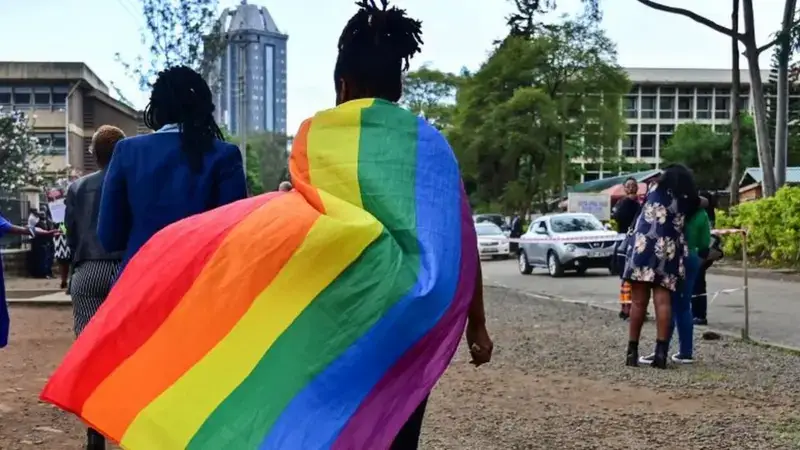
Accra, Ghana — Ghana’s Parliament has approved the Human Sexual Rights and Family Values Bill, 2025, a controversial piece of legislation widely regarded as one of the strictest anti-LGBTQ laws in Africa. The bill now awaits the assent of John Dramani Mahama before it can become law.
The legislation imposes prison sentences of up to three years for individuals who engage in same-sex relations and provides penalties of three to five years for those found promoting, sponsoring, funding, or intentionally supporting LGBTQ-related activities. The bill also includes provisions requiring the reporting of certain prohibited acts to authorities.
Supporters of the bill argue that it reflects Ghana’s cultural, traditional, and religious values, which largely oppose same-sex relationships. They contend that the legislation is intended to protect what they describe as Ghanaian family values and social norms.
Human rights organizations and LGBTQ advocacy groups have strongly condemned the measure, arguing that it could increase discrimination, restrict freedom of expression and association, and expose LGBTQ individuals to greater risks of harassment and abuse. Critics also warn that the law could have implications for Ghana’s international reputation and relationships with development partners.
The bill is a revised version of legislation that was previously passed by Parliament in 2024 but was never signed into law before the end of the administration of Nana Akufo-Addo. Under Ghana’s constitutional procedures, the measure had to be reintroduced and approved again by the new Parliament.

Opinion and editorials
Explore diverse perspectives and in-depth analysis on key issues affecting Africa and the world. Our opinion pieces and editorials foster informed discussion.

Digital access
Access our comprehensive news coverage and exclusive content anytime, anywhere, through our user-friendly digital platforms. Subscribe for unlimited access.

Print edition
Experience the curated news and in-depth stories of The African Globe in a tangible format. Our print edition offers a unique reading experience.
"The African Globe has become my go-to source for reliable and comprehensive news about Africa. Their reporting is always insightful and balanced."
Paul Obiama, loyal reader

Contact us
2461 Osceola Road
Lithonia, GA 30058]
Opening hours
Mon - Fri: 9am - 5pm
Saturday: 10am - 3pm
Sunday: Closed
Contact
770-875-1553
Socials